Statutory Compliances
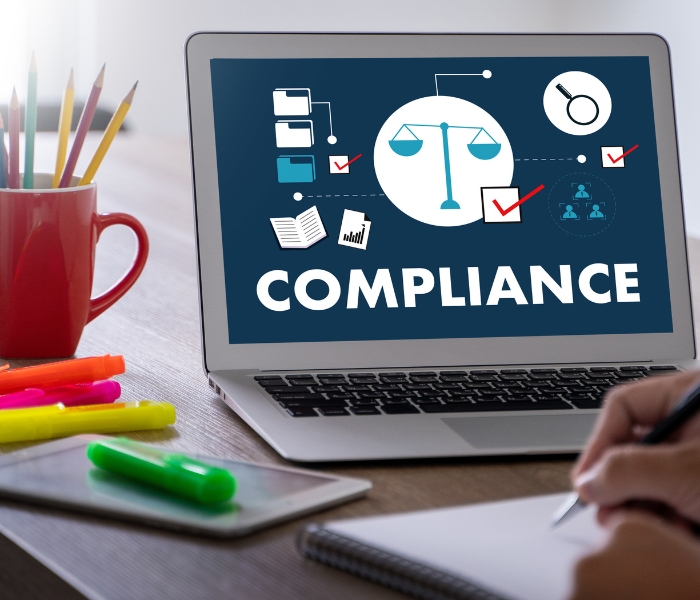
Statutory Compliances in a facility management company are essential to ensure that all operations adhere to legal and regulatory requirements. These services focus on maintaining compliance with various laws and standards to avoid legal issues and penalties. Key aspects include:
- Regulatory Adherence: Ensuring that the facility complies with local, state, and national regulations related to safety, health, and environmental standards.
- Documentation and Reporting: Maintaining accurate records and documentation required for audits and inspections by regulatory bodies.
- Regular Audits: Conducting periodic audits to assess compliance status and identify areas needing improvement.
- Training and Awareness: Providing training to staff on compliance requirements and updates to ensure everyone is informed and prepared.
- Risk Management: Identifying potential compliance risks and implementing strategies to mitigate them.
These services are crucial for the smooth and lawful operation of facilities, protecting the company from legal liabilities and enhancing its reputation.

Scope of Services
- Regulatory Monitoring: Keeping abreast of changes in laws and regulations that affect facility operations to ensure ongoing compliance.
- Compliance Audits: Conducting regular audits to evaluate adherence to statutory requirements and identify areas for improvement.
- Documentation Management: Maintaining comprehensive records and documentation required for compliance with legal standards.
- License and Permit Management: Ensuring all necessary licenses and permits are obtained, renewed, and up-to-date.
- Health and Safety Compliance: Implementing and monitoring health and safety protocols to meet regulatory standards.
- Environmental Compliance: Ensuring adherence to environmental regulations, including waste management and pollution control.
- Training Programs: Providing training sessions for employees on compliance-related topics to enhance awareness and preparedness.
- Risk Assessment: Conducting risk assessments to identify potential compliance issues and develop mitigation strategies.
- Incident Reporting: Establishing a system for reporting and investigating compliance-related incidents.
- Vendor Compliance Management: Ensuring that all vendors and contractors comply with relevant statutory requirements.
- Continuous Improvement: Regularly reviewing and updating compliance processes to align with best practices and regulatory changes.
